Why Slipstream exists
“We sometimes felt we were stumbling in the dark. We wanted to turn the lights on.”
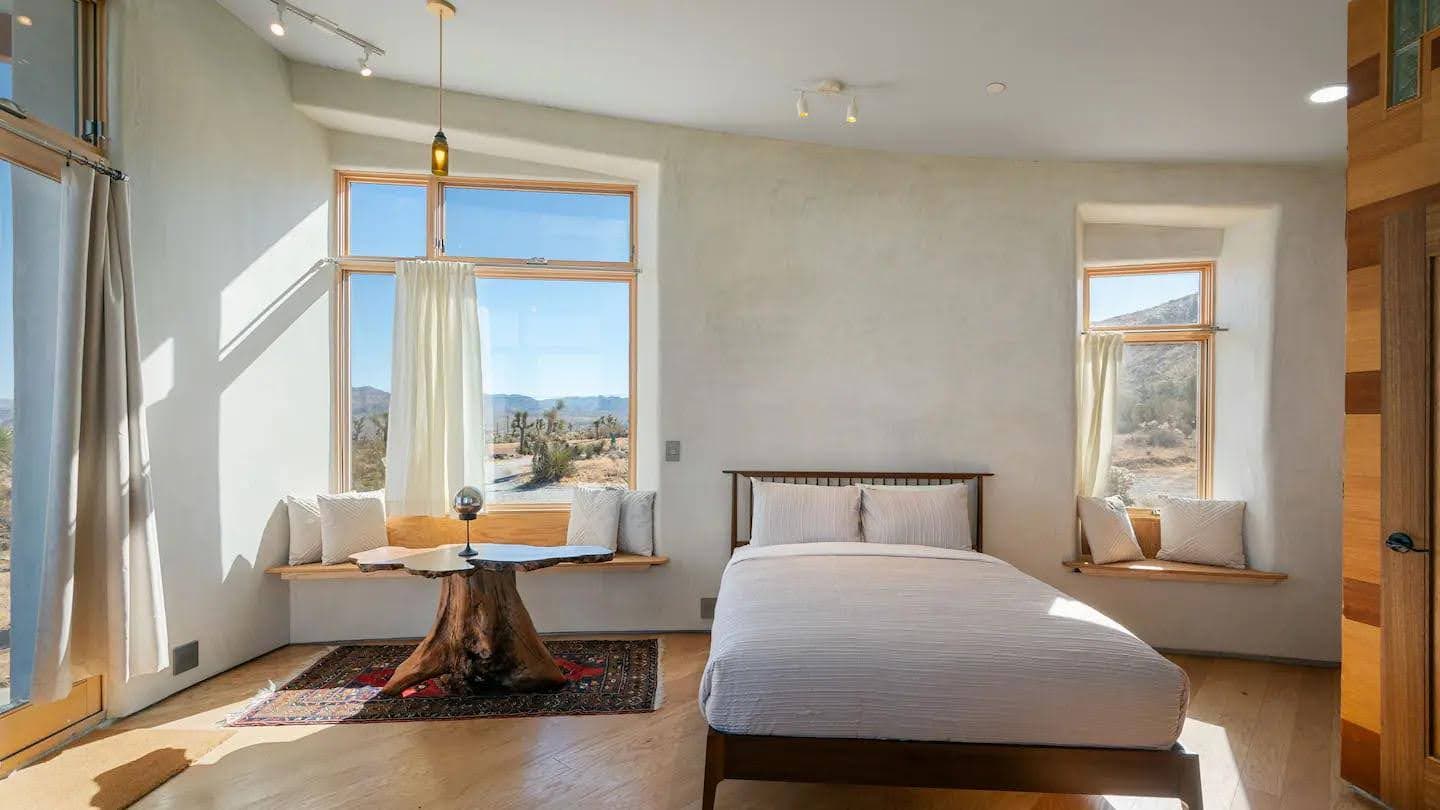
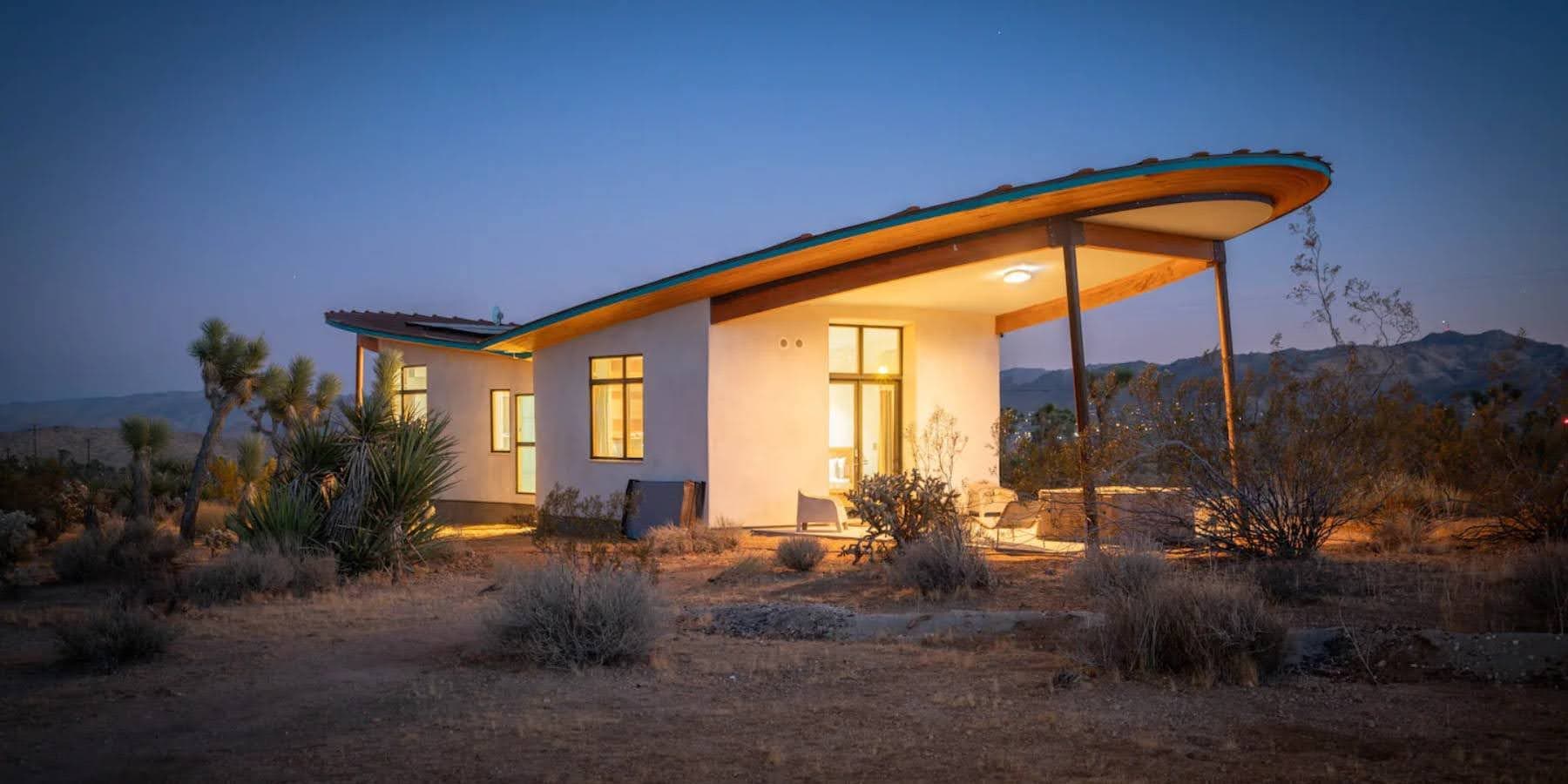
Slipstream began in the Mojave desert. I’d spent years building an intricate new house: I figured that keeping tabs on its rental was mostly a solved problem. However, despite working with several excellent co-hosts, I soon found that existing co-host tools didn’t really answer my questions. I felt I was reacting when I wanted to be steering. I started work on Slipstream for myself, to scratch an itch. Today it has grown into something I’m happy to see many people using. I hope you’ll find something of value in Slipstream to bring to your own rentals.
What we ran into
“We found that we weren’t struggling to get bookings, we were struggling to manage them. We expected a lot of work managing the place, but didn’t see that these daily needs were preventing us from keeping focused on the longer view.”
The gap between winning a booking and all that happens after it is where we started. I was looking for a way to stop losing afternoons to reconciliation, and move my attention farther towards the horizon to make strategic decisions. Slipstream now does that job out in the open: it pulls the PMS, the website and the property records into one place and shows what’s current, what’s stale and what’s stuck, with the fix attached to whatever it finds.
How Slipstream fits your data →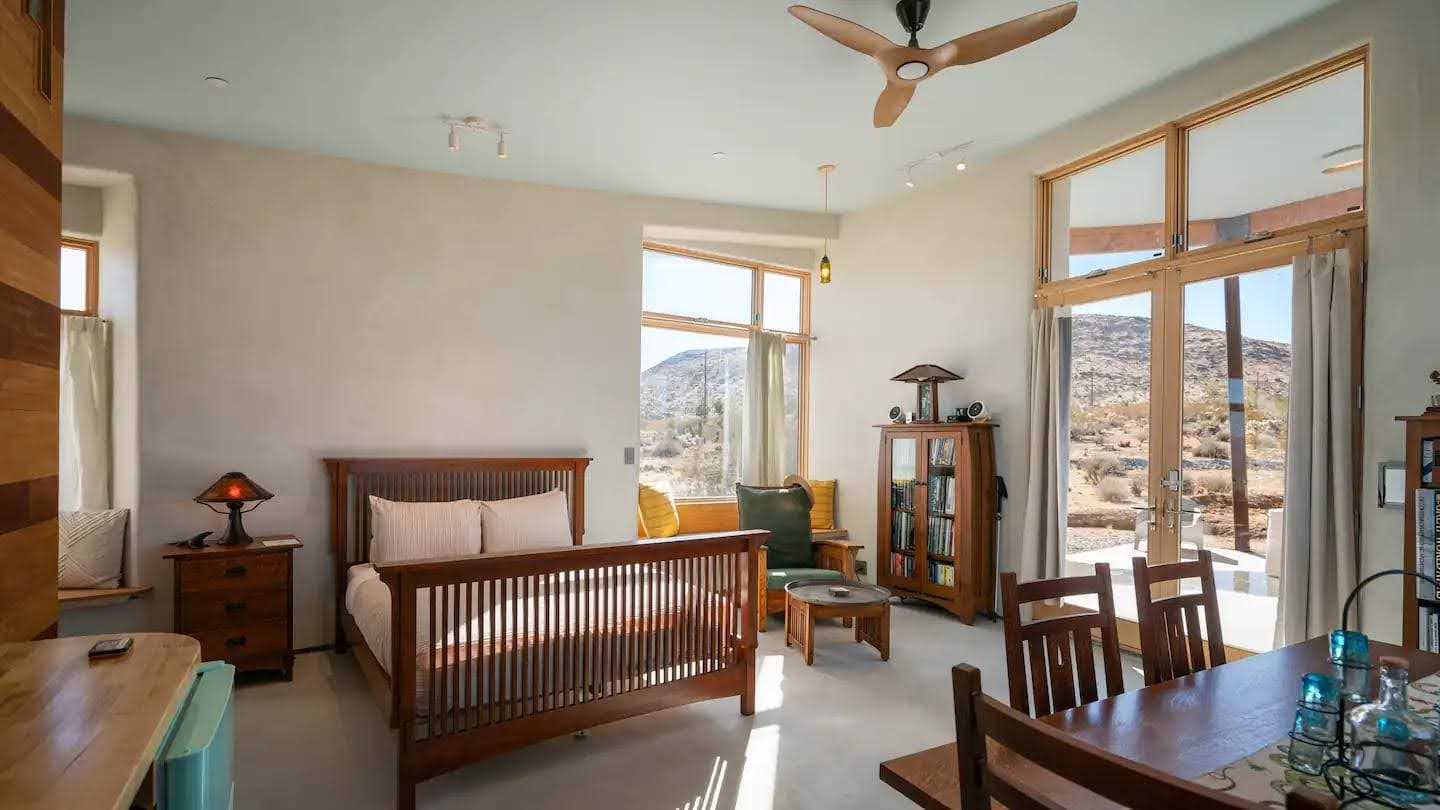

What I couldn’t accept
“We were lucky to have expert help setting up our STR, but we quickly saw that even real experts are left without good tools to justify booking rates and prices. We know co-hosts who trust pricing algorithms, but that’s uncomfortable for us since we can’t actually peer in there to see how these magical numbers come out. We sometimes felt we were stumbling in the dark. We wanted to turn the lights on.”
I couldn’t run a property on numbers I wasn’t allowed to inspect, so the first real decision in Slipstream was that no number arrives without its reasoning. Every figure opens into the chain that produced it — the sources, the arithmetic, the assumptions — laid out end to end in Framer. That rule came straight out of this complaint, and it’s the one I’d defend hardest.
Watch a recipe opened in Framer →What changed
“A real help we get from Slipstream is that we now make decisions with a firmer grounding in reality. We see deeper into our co-host operation now. It’s genuinely helpful to see the daily top lines daily, since we have limited time. We want to focus on what matters. We don’t want to waste time chasing things down or reading tea leaves.”
I use this every morning, which is why the For You tab looks the way it does: what changed, what needs a look, nothing else competing for the glance. The recipes live in your account rather than in our code, and you can rebuild that view around how you work instead of inheriting how I do.
See the For You tab in action →
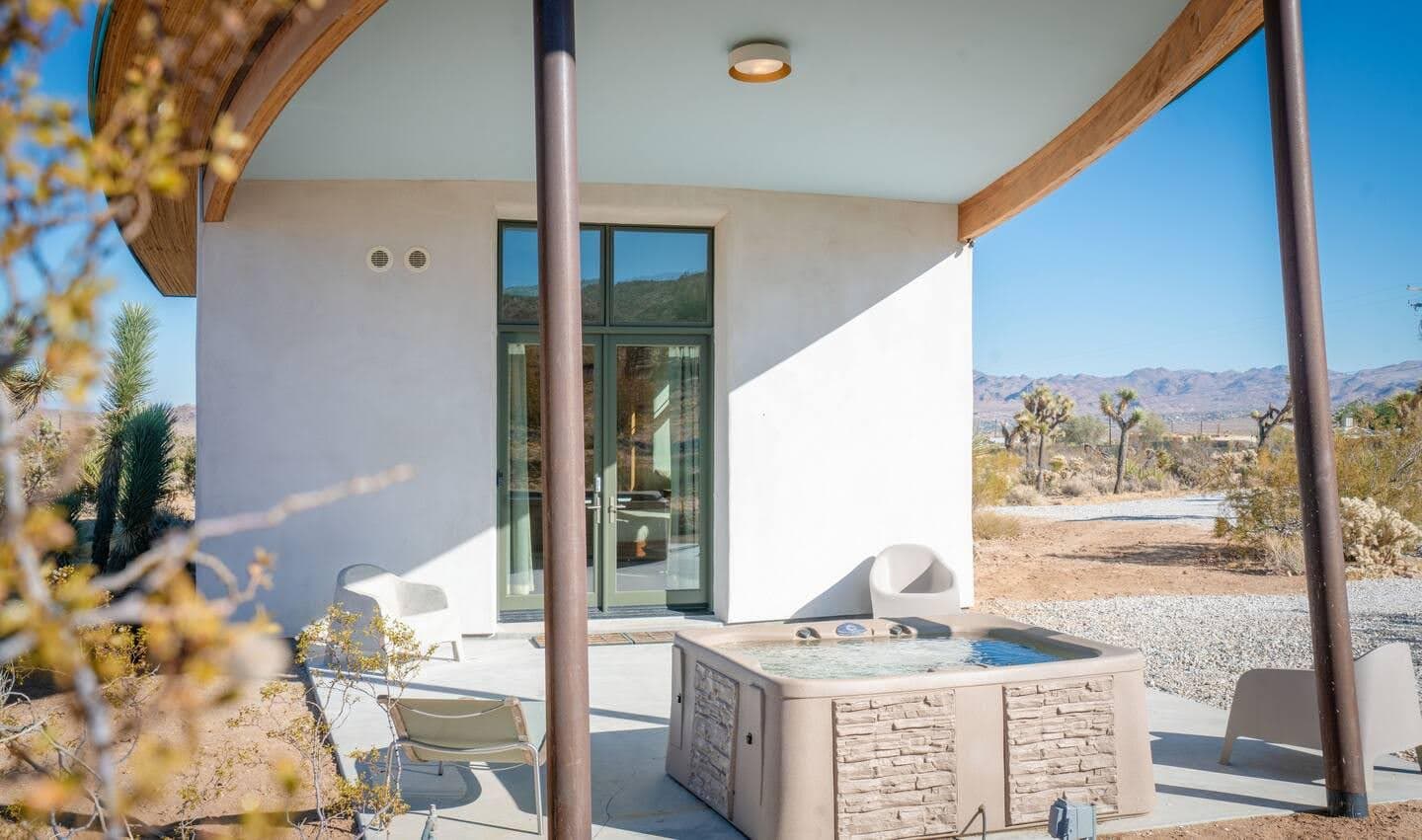
Mesa Sky Disk



See your own top lines.
The same daily view I read every day, built from your own portfolio, and on your own PMS, with every number still traceable back to the recipe that made it.
See plans and pricing — no card needed to look.